Phased-out Projects
THP-E Phased-out Projects
Phased-Out Project Impact (2016–2024)
Closed Epicenters – Total Reach: 19,665
Transitioned Epicenters – Total Reach: 19,055
Completed Special Project Sites – Total Reach: 49,799
Total phased-out reach: 88,519
Right2Grow
Right2Grow was a global partnership that spanned six strategic countries: Bangladesh, Burkina Faso, Ethiopia, Mali, South Sudan, and Uganda. This five-year project (2021–2025) was funded by the Dutch Government under the Civil Society Strengthening – Power of Voices program. The project aimed to ensure that all children under five (CU5) were well-nourished so that they could reach their full potential. Achieving this goal required changes in mindsets and behaviors at all levels, from households to government institutions.
THP-E implemented the Right2Grow project in the Gurage Zone of the Central Ethiopia Region, targeting six woredas: Cheha, Endegagn, Abeshege, Geta, Muhur Aklil, and Gedebano Gutazer Wolene. The project commenced on March 1, 2021, and was implemented in collaboration with local partners. Accordingly, THP-E partnered with GDCA, which was responsible for implementing activities at the woreda and kebele levels, while THP-E led activities at the regional and national levels.
The project adopted a multi-sectoral approach to addressing undernutrition and WASH service gaps by fostering coordination among CSOs, CBOs, communities, government institutions, and the private sector. THP-E facilitated and managed this coordination in the southern region and contributed to national-level consortium deliberations. The project’s outcome was to strengthen the capacity of Ethiopian decision-makers to address undernutrition collaboratively and effectively through a multi-sectoral, gender-sensitive, and inclusive approach.
Partnership For Sustainable Project
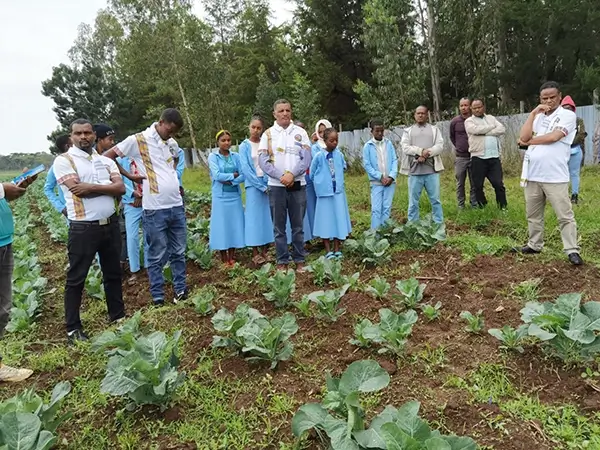
The Partnership for Sustainable Nutrition Project was a one-year initiative implemented in five kebeles of Angacha Woreda, Central Ethiopia Region: Gedelo Gewada, Gubena, Donkoricho, Kerekicho, and Massan. The project focused on improving nutrition, health, hygiene, and livelihoods. As part of the project, 42 Community Animators were trained to lead local mobilization and behavior change efforts. This resulted in the facilitation of 134 community workshops on Maternal, Infant and Young Child Nutrition (MIYCN), Essential Nutrition Actions (ENA), WASH, and Food Security and Agriculture.
These interventions increased community awareness, improved household practices, and strengthened local capacity, contributing to better maternal and child health, improved sanitation and hygiene, and enhanced community resilience.
The project was implemented by THP-E with support from The Church of Jesus Christ of Latter-day Saints.
The overall objective of the project was to improve nutrition outcomes among target rural communities, particularly pregnant women, adolescent girls, and children in the five rural kebeles of Angacha Woreda, Kembata Zone, Central Ethiopia Regional State. To achieve this objective, the project implemented a range of interventions aimed at promoting sustainable improvements in nutrition, health, hygiene, and livelihoods.

Water First Project
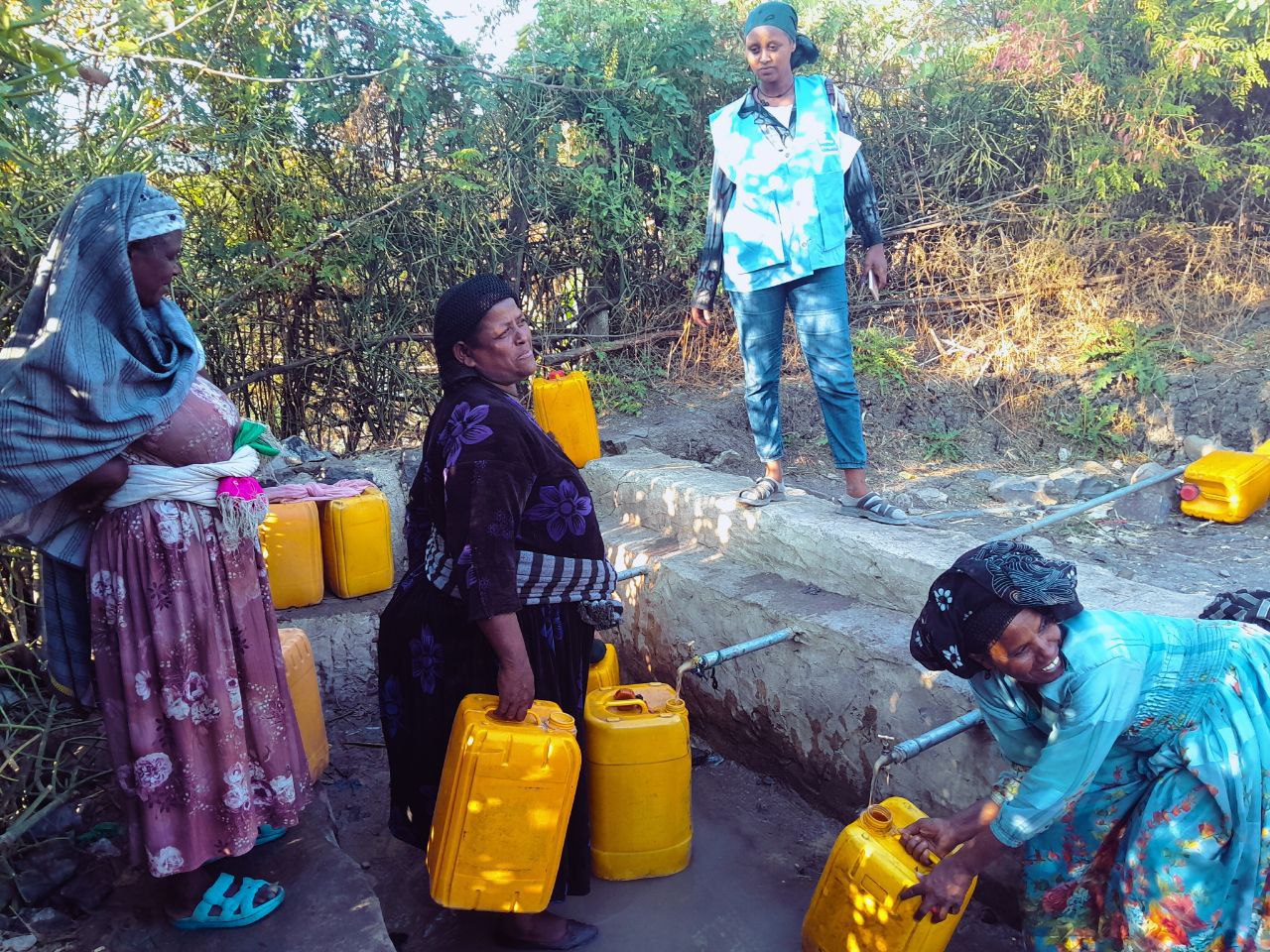
Water1st International, in partnership with Water Action and implemented through The Hunger Project, launched the Water First Project in Buye Epicenter, Merhabete Woreda, Amhara Region. The project aimed to improve access to safe water, strengthen sanitation and hygiene practices, empower women, and support local WASH governance systems.
Originally planned for one year (September 2022 – August 2023), the project was extended to December 2025. It contributed to improved water access, better sanitation, women’s empowerment, and increased financial inclusion in the target communities.